Financial Inclusion
Research & Design on how waste pickers in Accra can save better
Problem in Context
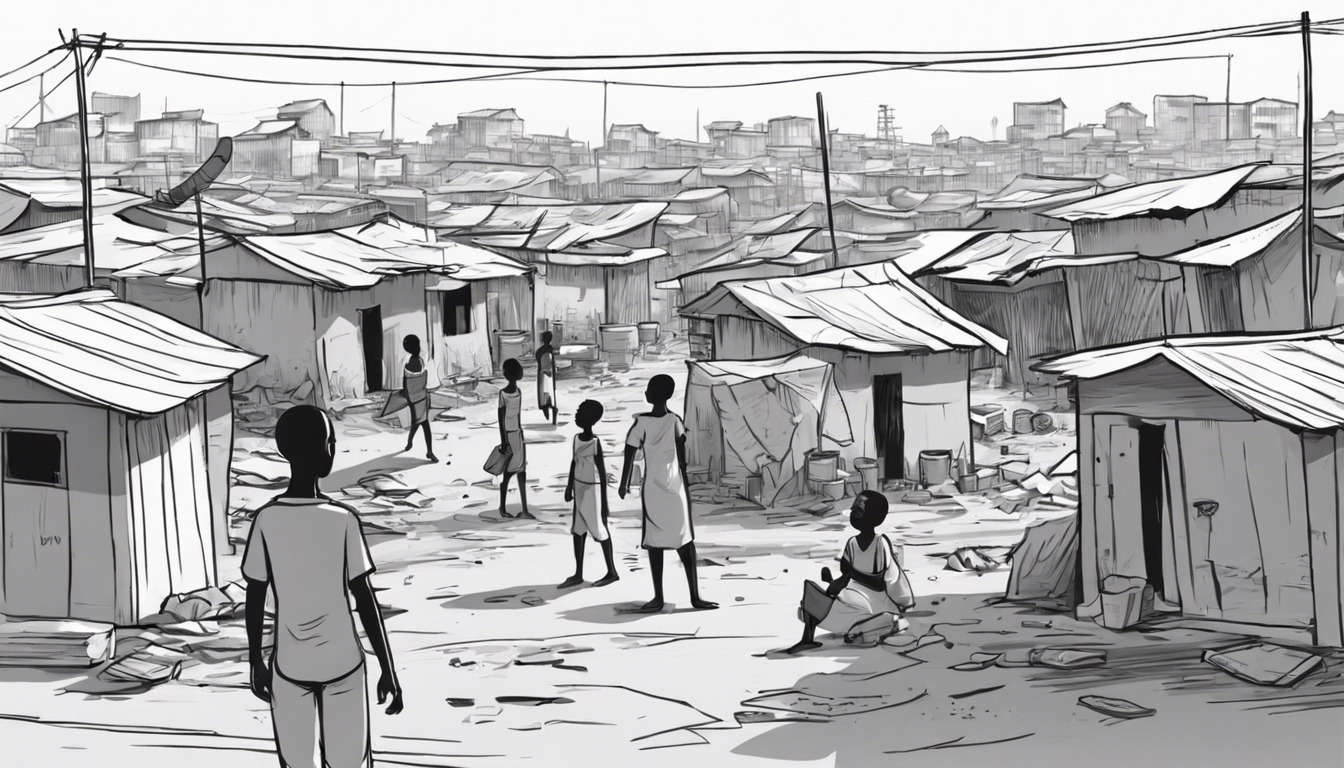
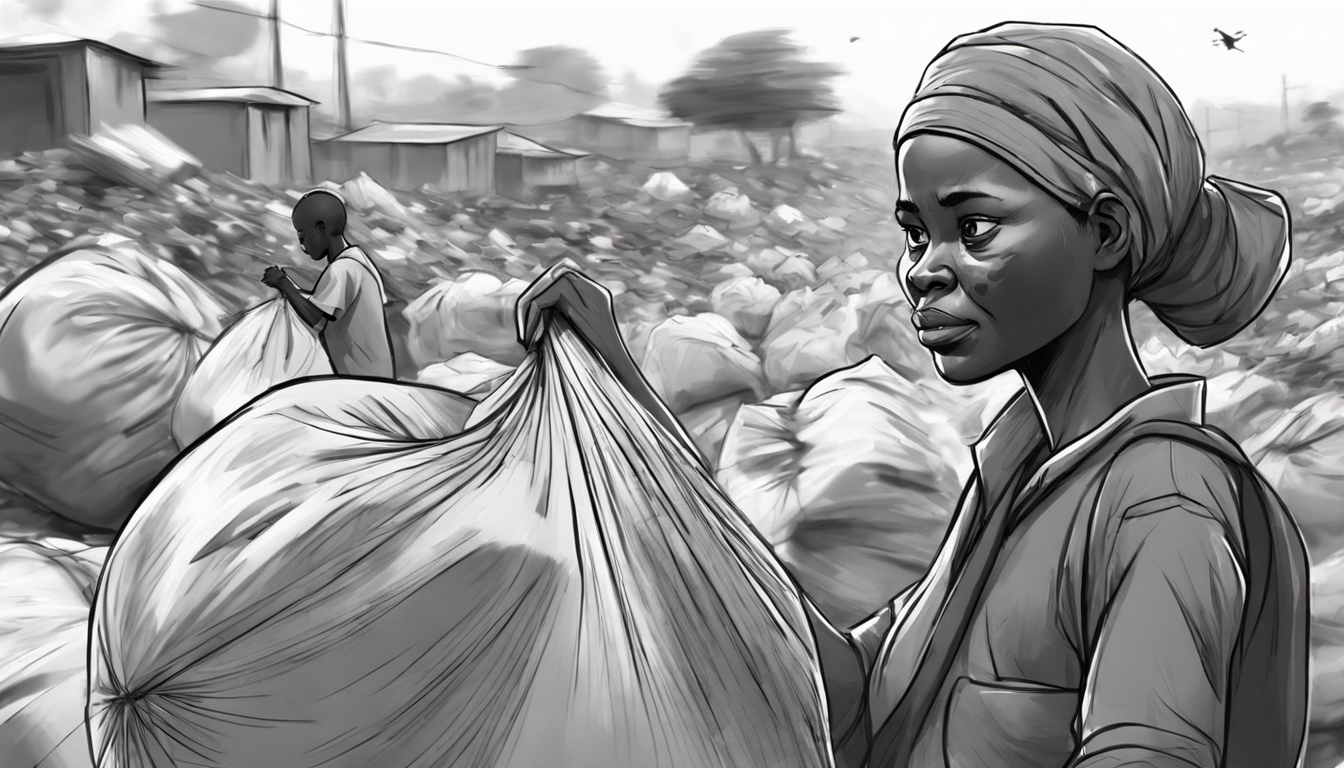
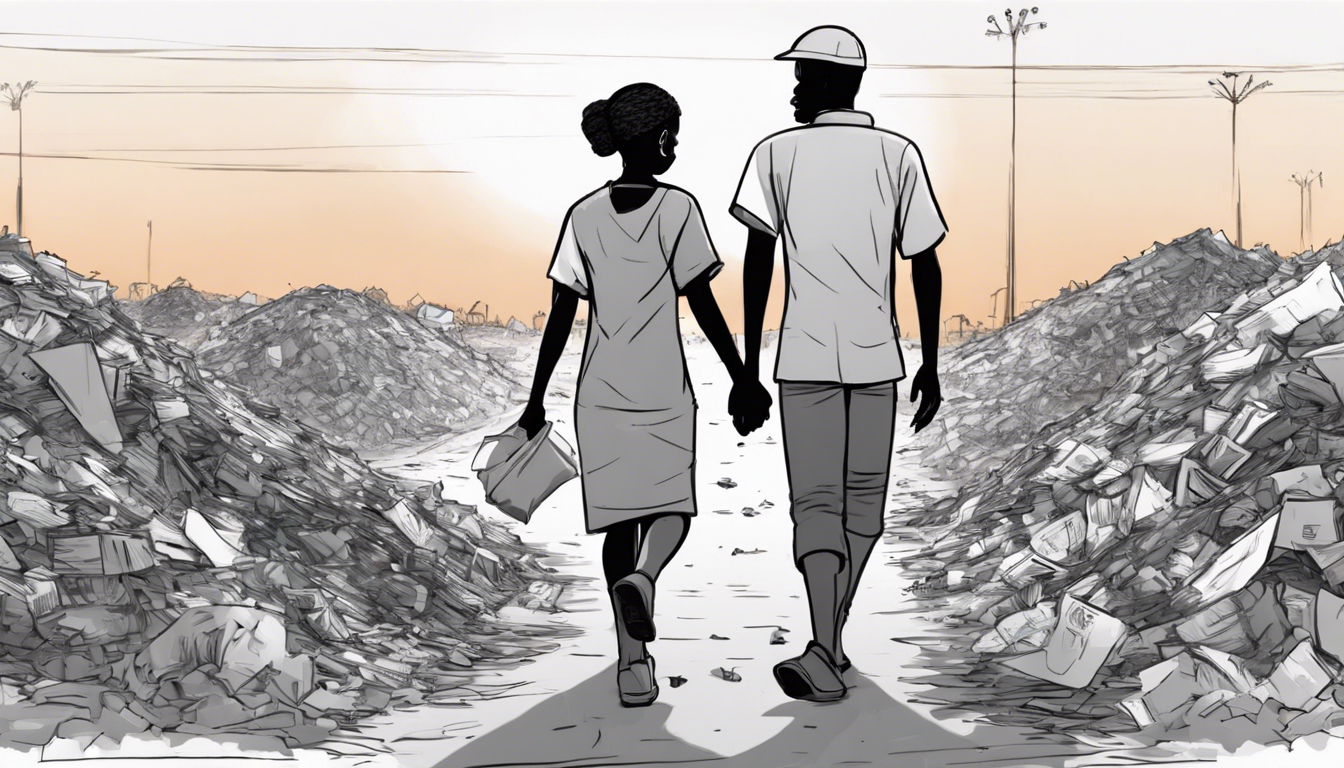
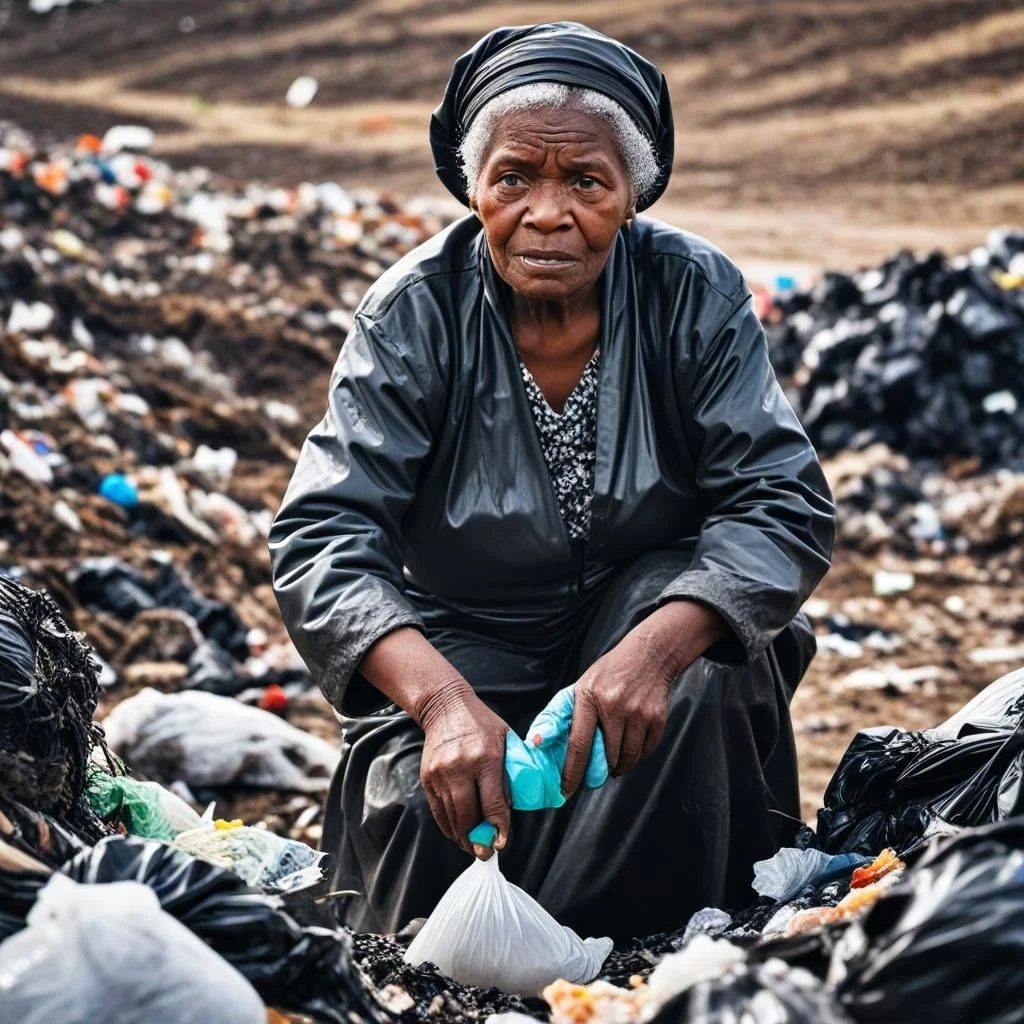
Ghana, surprisingly, does not have a waste separation system, resulting in plastic, paper, and food waste all being dumped in the same landfill site. Interestingly, there are scavengers who search for plastic in these landfills. Despite spending most of their waking hours in these filthy conditions and often facing ridicule, these individuals are our unsung heroes in the fight for recycling.
This project is dedicated to them. Our goal is to support these scavengers, helping them to maximize their efforts and make their work more financially rewarding. Many of them lack access to healthcare and basic education for their children. By aiding them in their endeavors, we aim to improve their quality of life and recognize their crucial role in our recycling efforts.

Project Mission
Fan Milk Limited, established in 1962, is a leading dairy and juice manufacturer in Ghana. Known for high-quality ice cream, frozen yoghurt, and fruit juices, the company is a household name. Fan Milk aims to become an industry leader through an unwavering commitment to extended producer responsibility for its 654 tons of packaging generated every year (0.1% of the total plastic waste in Ghana) through the creation of an inclusive recycling system.
Teams involved
-
The Ashesi Design Lab team, in partnership with MIT D-Lab, was responsible for gathering and synthesizing insights. As a member of this team, I collaborated with MIT students to conduct extensive user research and analysis.
-
Similar to the Ashesi Design Lab team, MIT D-Lab was responsible for gathering and synthesizing insights. They flew into Ghana to conduct ethnographic research on how waste pickers save.
-
WIEGO worked with us to empower the waste pickers and also help us operate within the Policy Framework Design of the Informal Employment organization.
Insights form preliminary research
-
![A young man wearing a navy blue cap and a red shirt, looking directly at the camera with a neutral expression.]()
"Going to the bank feels like stress; so much paperwork is demanded."
Mawutor Segbefia
-
![]()
"I cannot use mobile money because I do not have a phone that functions properly"
Amelia Cabot
-
![]()
“I think the bank is where you keep a lot of money; I don't have that.”
Nana Kofi Karikari
-
![]()
“Our work is ‘hand-to-mouth,’ meaning what we get today is what we spend.”
Keith Finley




Income allocation
During our research, we conducted an in-depth analysis of how waste pickers allocate their income. Here's what we discovered:


Point of view: The waste picker needs an easily accessible savings plan that allows them to save small amounts of money at frequent intervals and permits quick withdrawals and transactions, as this will ensure their long-term financial security through banking.

HMW
How might we questions?
How might we create a savings process that is more accessible than the bank?
How might we encourage saving in small amounts among the waste pickers?
How might we create a savings system that allows people to withdraw money quickly?
Solution
The waste pickers created their own savings system where they can save small amounts of money at regular intervals. The solution involves a Fidelity Bank agent. Every week the bank ambassador will collect weekly savings deposits from the waste pickers and then give it to the Fidelity bank agent.
•

-
![]()
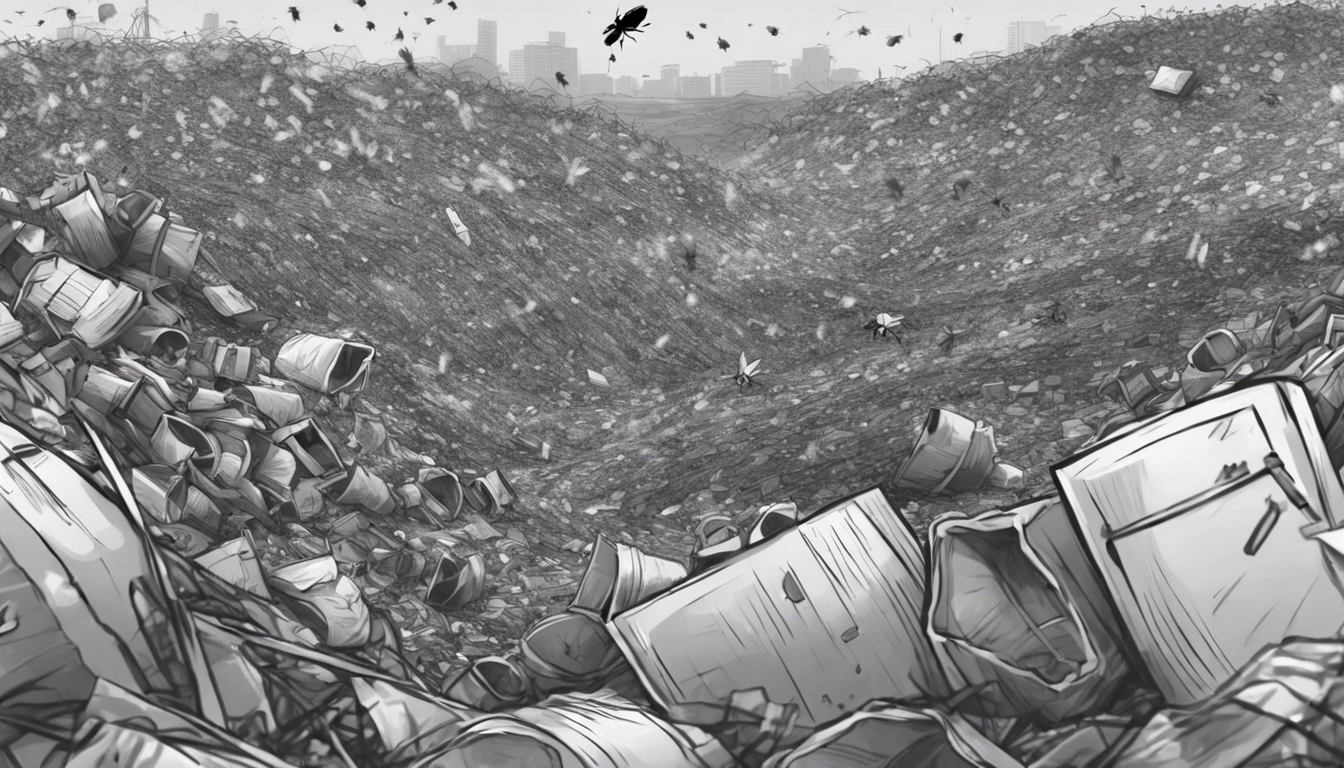
It's morning in the Kpone landfill site. The sun is blazing down on a sprawling landfill site, with flies buzzing around heaps of trash.
-
![]()
Ama one of the waste pickers, has arrived and is already sifting through the garbage to find plastics for sale.
-
![]()
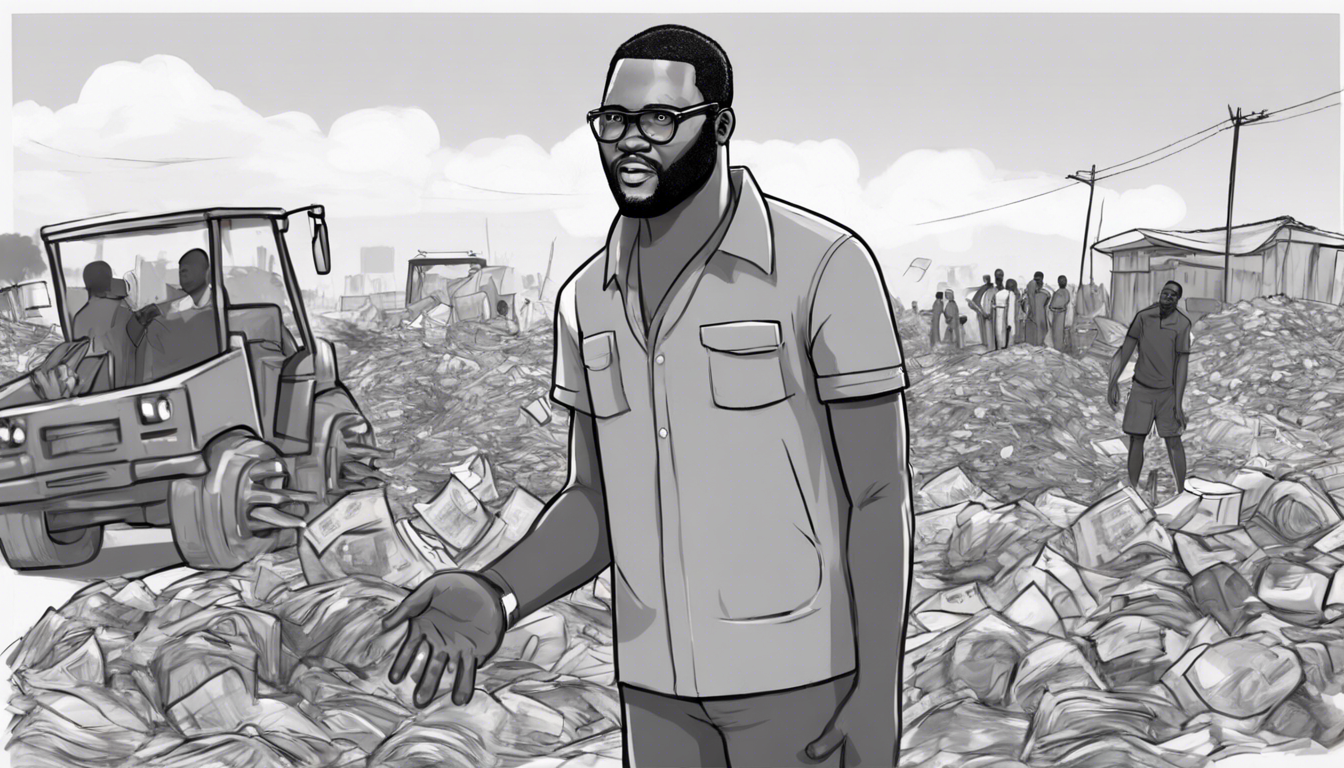
Ama notices that there is a gentleman explaining something to some of the waste pickers. So she is gets interested.
-
![]()
She goes to the bank to speak to Kwame about withdrawing some money. Kwame shows her how to use her phone to request her money.
-
![]()
It's been 3 months now and Ama has been consistently saving with the Fidelity bank agent who comes to the site weekly.
-
![]()
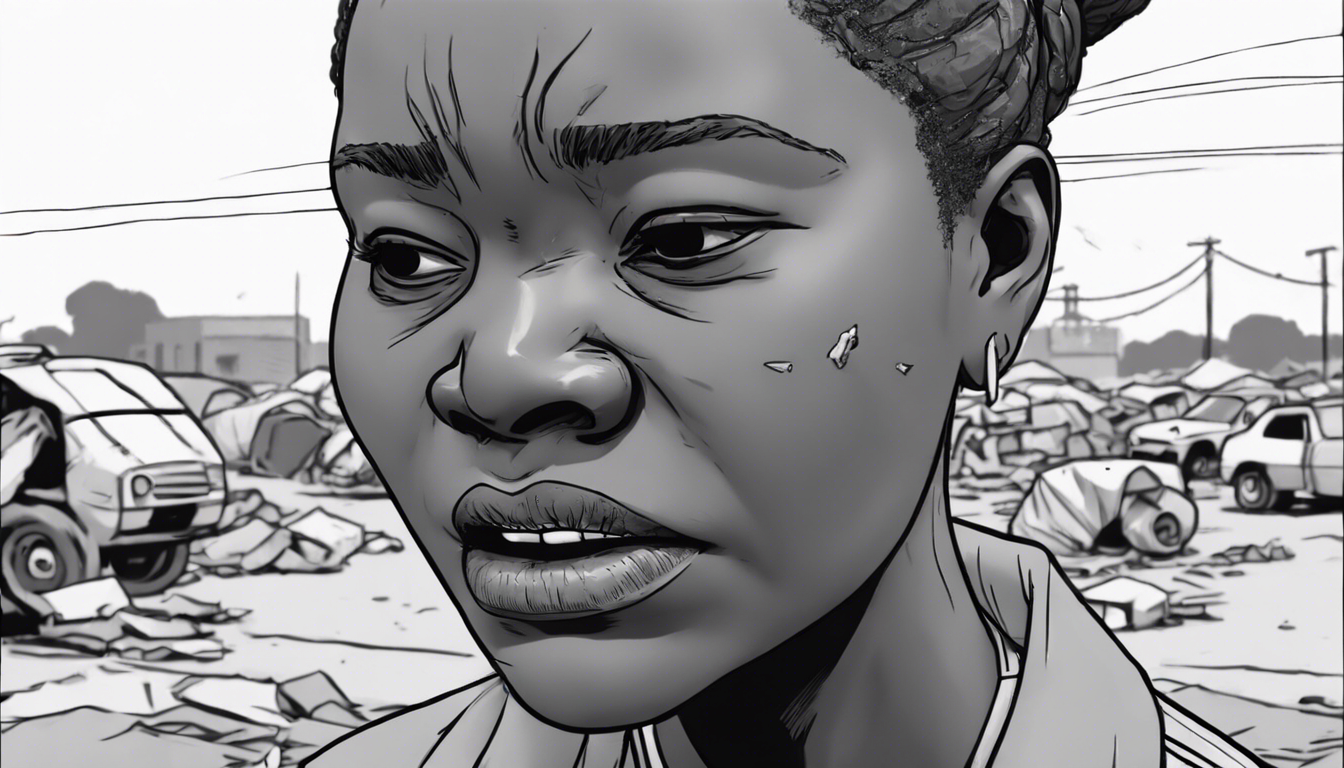
One day Ama is busily picking up plastics and filling her sack with determination. She feels a sharp pain in the stomach.
-
![]()
She tries to continue, but the pain is unbearable. It now spreads to other parts of her body, and she is unable to work.
-
![]()
She goes to the bank to speak to Kwame about withdrawing some money and Kwame shows her how to use her phone to request her money.
-
![]()
Ama withdraws the money and goes to the hospital to get checked.
-
![]()
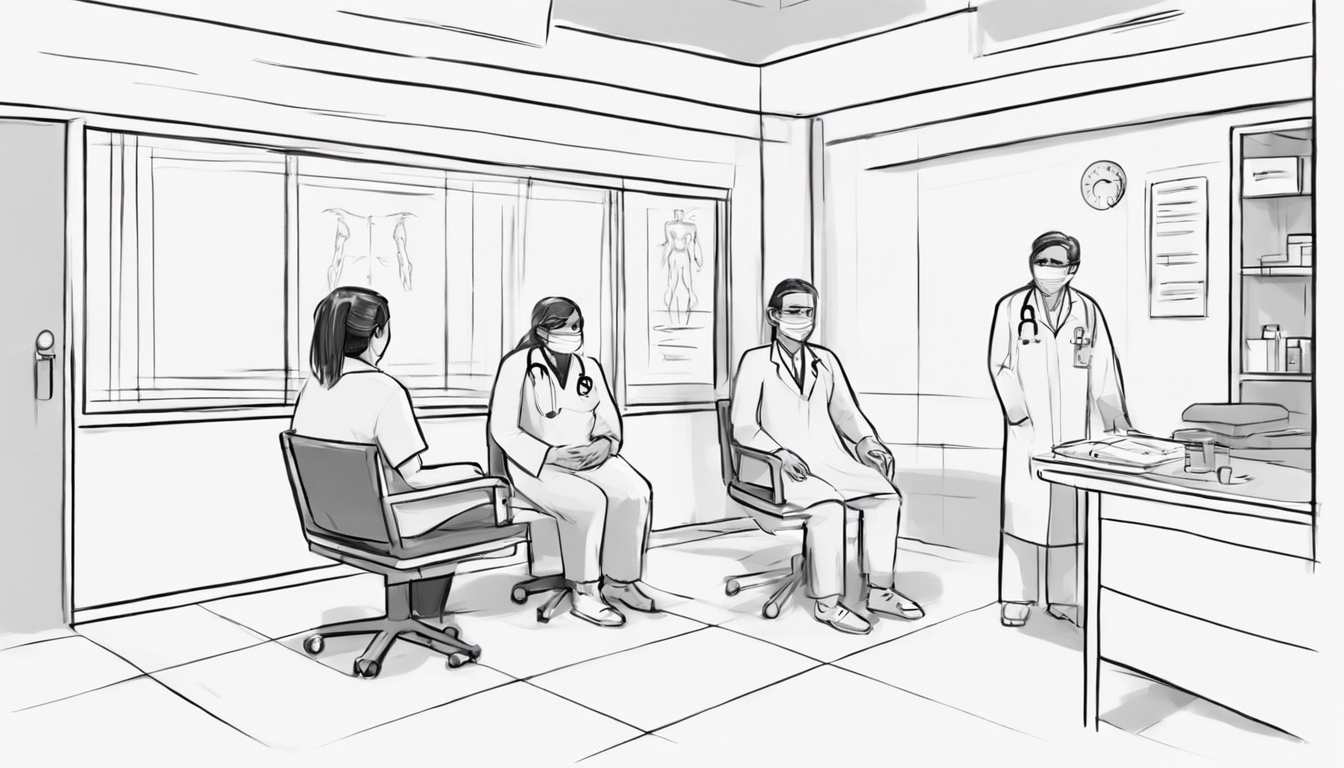
The doctor explained Ama's condition to her and reassured her not to feel too worried about her situation because there is medication for it.
-
![]()
Ama goes home with her medication in a bag. She meets her husband on the way and they walk happily back home