

Health
Redesigning the walking experience
A school Project

Ashesi's vision is a flourishing Africa, where leaders make ethical decisions that prioritize the well-being of their communities and where innovation fuels economic, cultural, and social growth. The university is dedicated to educating leaders who will bring this vision to life and collaborates with other institutions to amplify this effort. In one of my classes as a student at Ashesi, we worked on a design project aimed at encouraging young people to walk more.
Problem in Context
In Ghana, many young people often prefer to use vehicles to reach their destinations, which results in them walking less. This reliance on cars or motorcycles leads to a range of problems. Reduced physical activity contributes to health issues such as obesity, cardiovascular diseases, and mental health challenges. Additionally, increased vehicle use exacerbates environmental pollution and traffic congestion, diminishing the quality of life in cities. This shift away from walking not only impacts individual health but also has broader implications for community well-being and urban sustainability.
Our persona
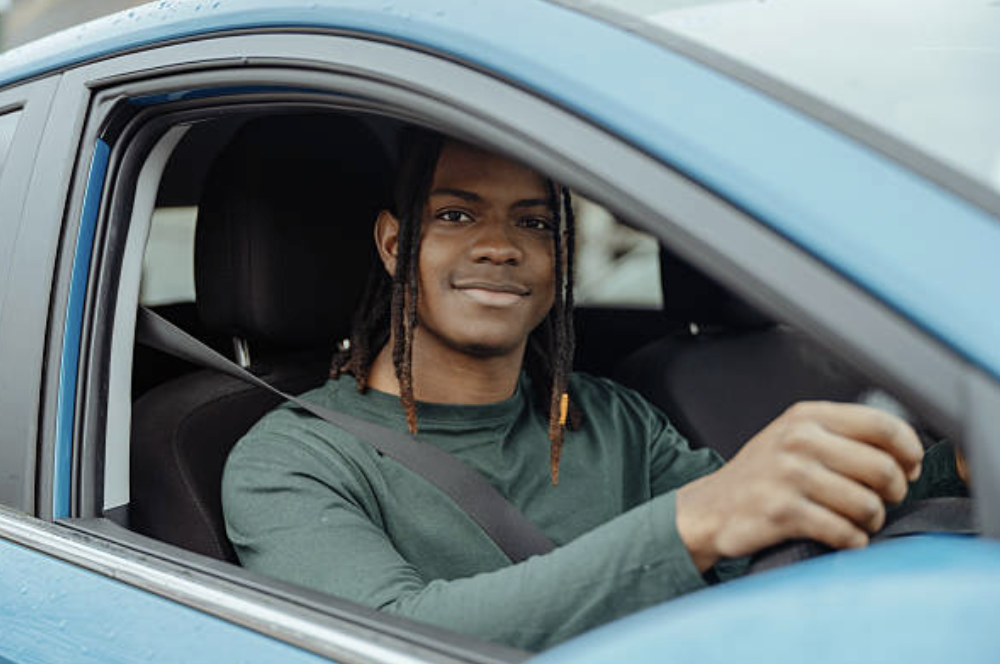
Alex Mensah, a 21-year-old Business Administration junior at Ashesi University in Accra, Ghana, comes from a wealthy family with a successful business background. Known for his impeccable style, designer clothes, and a luxury lifestyle, Alex lives in a spacious apartment and drives a sleek, red convertible. He has a passion for cars, enjoys networking at business events, and maintains a regular fitness routine. Despite his active lifestyle, Alex faces challenges in balancing his image and preference for driving with a desire for more physical activity and environmental sustainability. He aims to reduce his carbon footprint and promote ethical decision-making in his future career.
Our Findings
Theme 1
Most people choose not to walk only because they have a car.
Theme 4
The social label attached to people who walk is 'low class'.
Theme 2
Most people would walk if there was an additional value for walking.
Theme 5
Facilities/infrastructure are not within walking distance.
Theme 3
Technology is making people less motivated to walk.
Theme 6
The reason why people do not really walk is the layout of the town.
Data Collection
For our data collection phase, we conducted interviews with students at Ashesi University. Additionally, we distributed a survey to gather responses from those we could not meet.
120
Interviews
60
Survey Responses

Design Requirements Ideas
A wearable device, beautiful scenery showing interesting aspects of culture, conversations can be held with the AI, users can change characters to fit their ideal companion, and walk with a community.
Prototype
More on the Prototype
We added some more features people could do with the app, such as finding or creating your own companion, and collecting data on how much you have walked. Click the button below to explore more on Explora
Team
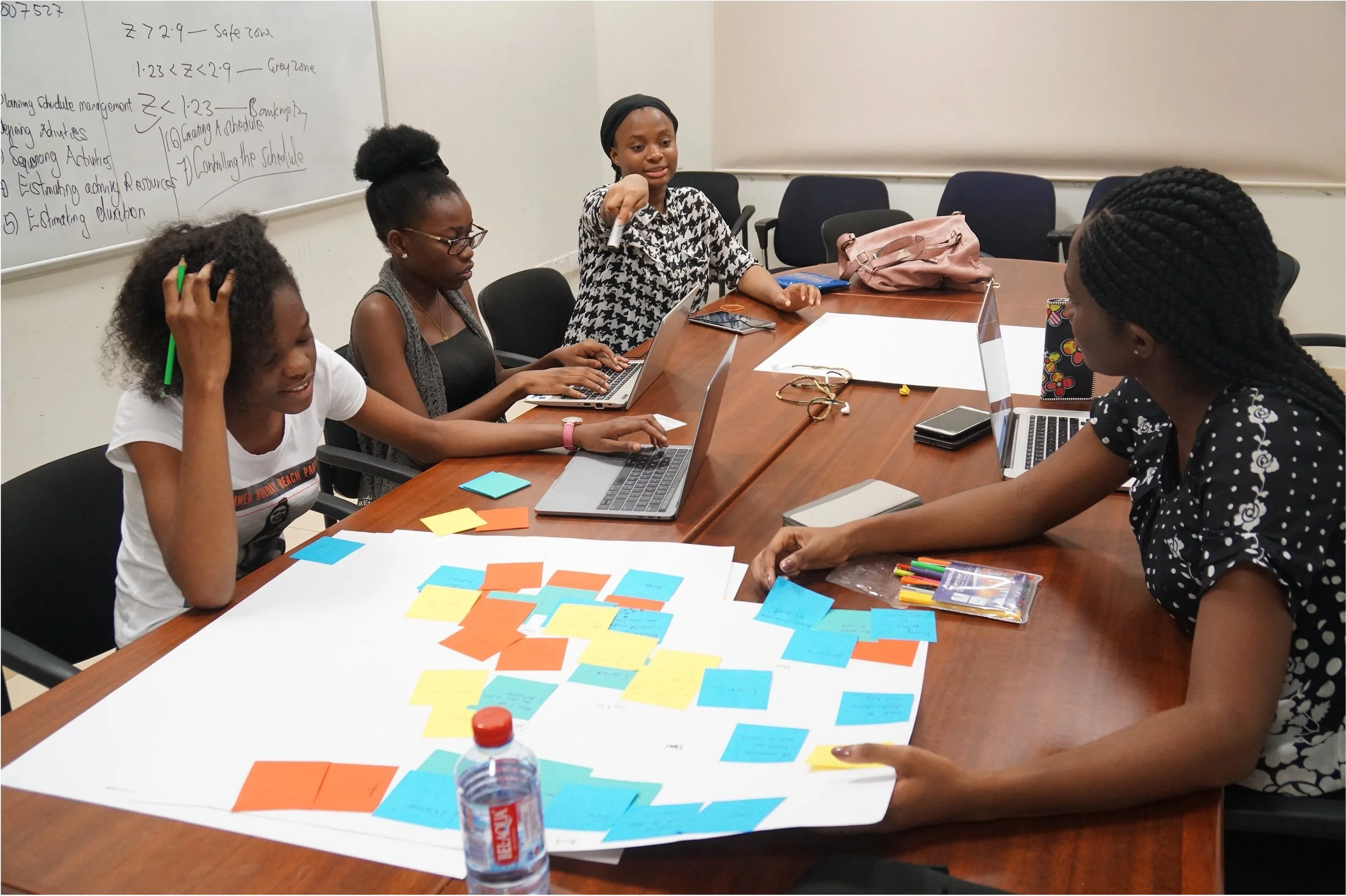
Carol Armah - Research and Design Lead
David Boanuh - Graphic and Video Designer
Maame Efua Dadzie - Team Lead
Rahmat Raji - Team Member
Pearl Gamegah - Team Member