

Transportation
Reducing Commute Time in London by 28 mins by 2028
Hypothetical Project Team

The McKinsey Forward Program is an initiative designed to equip young professionals and recent graduates with essential skills for the future workplace. The program focuses on three key areas: leadership, business skills, and digital capabilities. Participants engage in interactive learning experiences, including digital courses, practical exercises, and team projects. The goal is to help individuals build a strong foundation in critical thinking, problem-solving, and effective communication, preparing them for successful careers in various industries. As a participant of this program, my team and I were tasked to find solutions that will reduce commute time in London to 28 mins or below by 2028, while observing health protocols.
Problem in Context
London faces significant challenges in its transport system due to a rapidly changing environment. The city's population is growing at a rate of 4% annually, which further establishes London as a bustling business center. This growth has led to a 5.6% yearly increase in the number of private vehicles, driven partly by a shift from public transportation to private options in response to the COVID-19 pandemic. Additionally, the implications of Brexit could alter population growth dynamics, adding another layer of complexity to the city's transport planning. These factors collectively strain the existing transport infrastructure, necessitating innovative solutions to maintain efficiency, reduce congestion, and ensure sustainable urban mobility.
MECE Step One
The team used MECE to generate an issue tree. MECE stands for "Mutually Exclusive, Collectively Exhaustive." It is a principle often used to structure information and analysis. Mutually Exclusive means that each element in a category should be distinct and not overlap with others. Collectively Exhaustive means that the set of categories must cover all possible options or scenarios.

Step Two

Step Three

Step Four

Step Five

Feasibility Matrix


Our Solution
Mega Doughnut-shaped Parking garage with high-speed rail lines and stations running through, located at the periphery of the inner city: Central London.
Story Board
-

A busy Monday morning. Tom, a young professional, is driving his car towards Central London.
-

Tom arrives at one of the high-speed rail parking garages on the outskirts of Central London.
-

Tom parks his car and follows the signs leading to the rail station inside the garage.
-

“Great, the app says that the station is not too crowded!”
-

Tom enters the rail station within the parking garage. There are touchless fever detection and mask detection systems at the entrance.
-

Tom boards the overground train. The interior is spacious and modern. He taps his Oyster card, which has his vaccination passport embedded on it.
-

Tom exits the train at his destination in Central London.
-
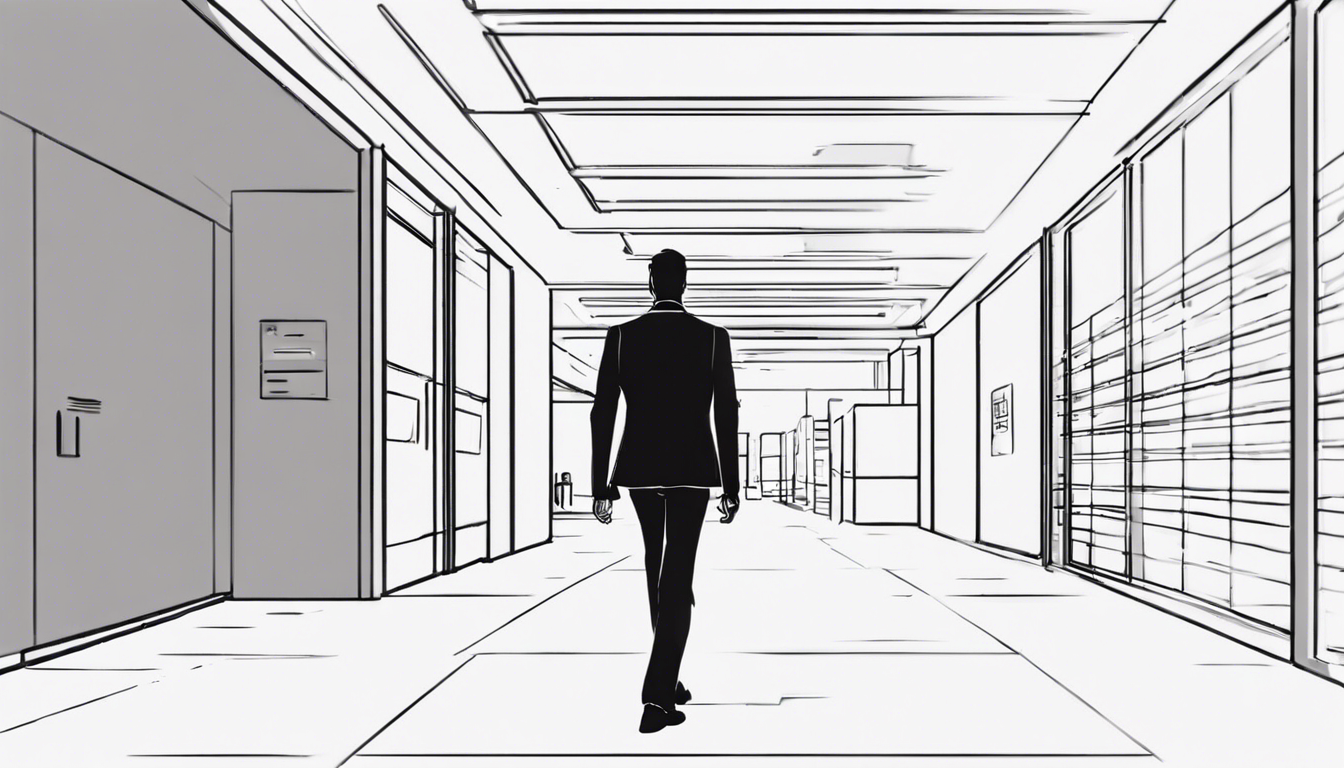
Tom walks into his office building, smiling and ready for the day. His commute was smooth, safe, and efficient
Team Members
Carol Armah
Miracle Nnaji
Ahmed Jinadu
Stella Igidi
Colleen Banchi